
Understanding the psychological triggers that keep players returning to casinos
The Thrill of Uncertainty
One of the primary psychological triggers that draw players back to casinos is the thrill of uncertainty. Gambling introduces an element of unpredictability that can be exhilarating. The chance to win big against the odds activates the brain’s reward system, releasing dopamine, a neurotransmitter associated with pleasure. This biochemical reaction creates a compelling urge to experience that high repeatedly, leading players to return to casinos in pursuit of that elusive jackpot. Many people enjoy these experiences along with activities like top rummy, which also involves the excitement of chance.

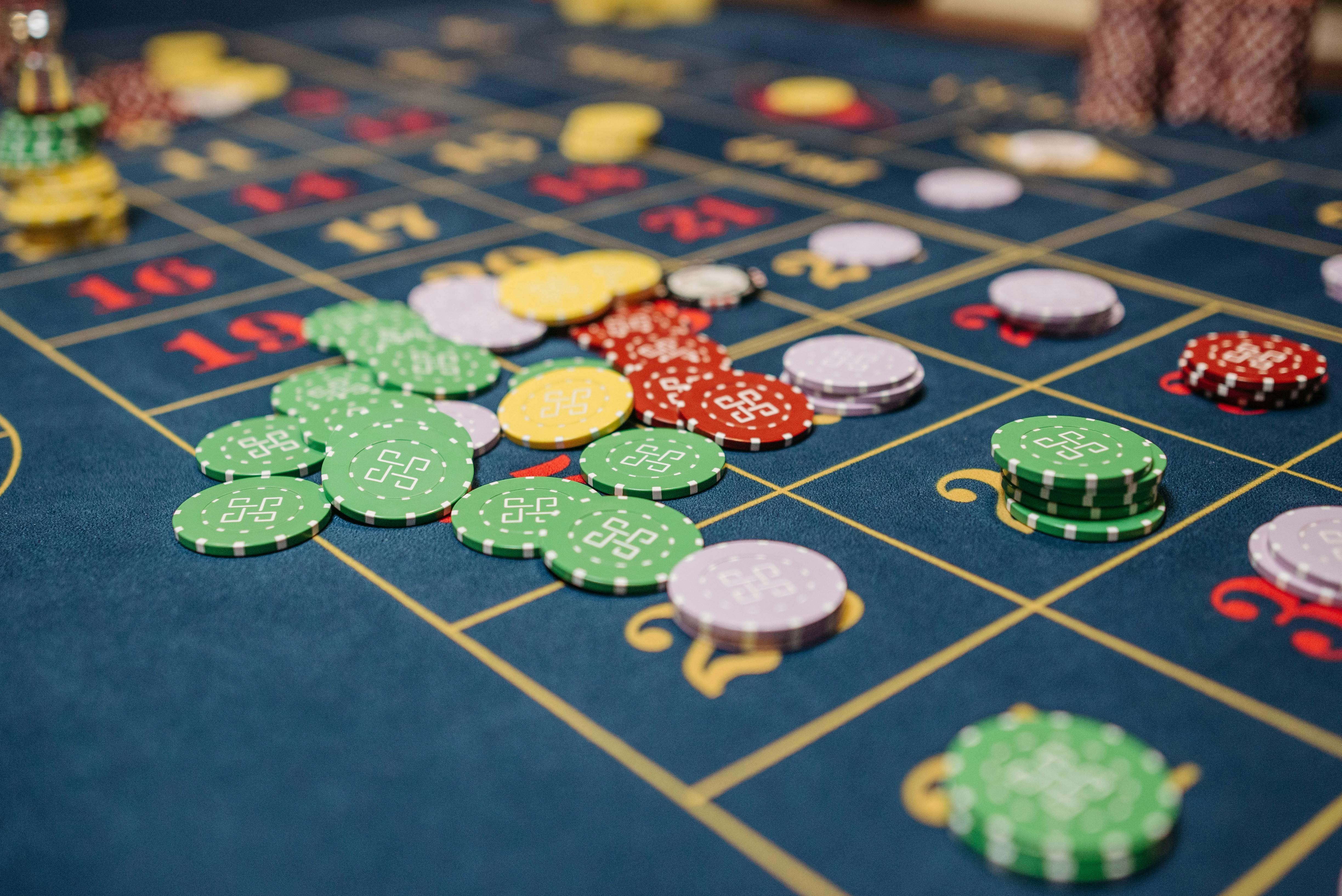
This excitement is often enhanced by the environment of the casino itself. The vibrant lights, sounds of spinning reels, and cheerful chatter create an immersive atmosphere that keeps players engaged. This sensory overload feeds into the psychology of players, as they become entranced by the potential for victory in an unpredictable setting.
The Role of Social Interaction
Another significant factor in why players frequently return to casinos is the social aspect of gambling. Casinos are not just places for solitary play; they serve as social hubs where individuals can connect with others. The camaraderie built around shared experiences, whether at a poker table or a slot machine, fosters a sense of belonging and community.
The interactions can be just as rewarding as the gambling itself. Engaging with friends or even making new acquaintances enhances the overall experience. This social engagement triggers emotional responses that reinforce the desire to return, turning gambling into not just a game, but a cherished social activity.
The Impact of Reward Systems
Casinos have developed sophisticated reward systems designed to encourage repeat visits. Loyalty programs, bonuses, and promotional offers create a feeling of being valued, making players feel that their patronage is appreciated. This leads to a psychological commitment to return, as players seek to maximize their rewards and enjoy exclusive benefits.
Moreover, the concept of “near misses”—where players come close to winning but ultimately lose—also plays a crucial role. These situations trigger a psychological reaction that motivates players to try again, believing that the next spin or hand could lead to a win. This cycle of hope and desire compels players to return, even after experiencing losses.
The Illusion of Control
The illusion of control is a powerful psychological trigger in the casino environment. Many players believe that they can influence the outcome of games through skill or strategy. This belief can create a false sense of empowerment, encouraging players to return in hopes of proving their mastery over the game.
This illusion can be particularly strong in games like blackjack or poker, where skill plays a significant role. Players often convince themselves that their expertise can lead to consistent winnings, further deepening their connection to the casino. This psychological bias feeds into the cycle of gambling, keeping players engaged and eager to test their strategies time and again.
Vungo: A Unique Experience
While exploring the psychological intricacies of why players return to casinos, it’s essential to remember that every experience is unique. Just as casinos offer an exciting atmosphere for gambling, Vungo presents an authentic dining experience rooted in Indian culinary traditions. The inviting ambiance combined with flavorful dishes provides a different kind of engagement, one that celebrates community through food.
Whether you’re looking for a thrilling night out at a casino or a cozy family dinner at Vungo, the emotions and connections we seek remain fundamental to our experiences. Join us at Vungo and explore a culinary journey that captivates your senses, much like the allure of the casino experience.