
Exploring the psychological impact of gambling on decision-making behavior
The Nature of Gambling and Its Psychological Effects
Gambling is not merely an activity centered around chance; it also involves complex psychological mechanisms that can significantly influence decision-making. The thrill of uncertainty and the potential for reward stimulate the brain’s reward system, creating a unique emotional experience. Players often find themselves engaged in a cycle of anticipation and exhilaration, which can cloud rational judgment, leading to impulsive decisions that prioritize immediate gratification over long-term consequences. For those looking for engaging opportunities, identifying the best online casino australia can enhance the overall experience.
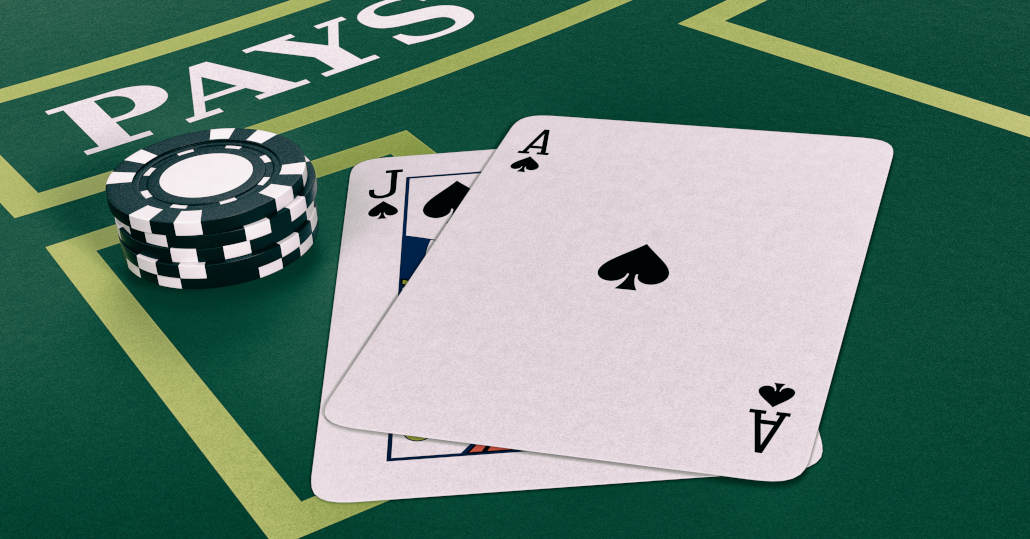
This emotional rollercoaster can lead to various cognitive biases, such as the illusion of control, where individuals believe they can influence outcomes that are fundamentally random. Such biases exacerbate risky decision-making, as players might underestimate the odds of losing, thus compounding their gambling behavior over time.
Cognitive Dissonance and Gambling
Cognitive dissonance occurs when individuals face conflicting beliefs or behaviors, often leading to psychological discomfort. In the context of gambling, players may experience dissonance when their losses challenge their self-perception as savvy decision-makers. This discomfort can prompt them to justify continued gambling, believing they are merely one bet away from a turnaround, despite mounting evidence of unfavorable outcomes.
As a result, gamblers may engage in “chasing losses,” an irrational behavior where they risk more to recover previous losses, further entrenching themselves in negative decision-making patterns. This cyclical thinking reinforces the psychological grip gambling can have, making it increasingly difficult for individuals to make objective choices regarding their gambling habits.
The Role of Emotion in Gambling Decisions
Emotional states play a critical role in decision-making processes, particularly in high-stakes environments like gambling. Positive emotions, such as excitement and hope, can lead to overconfidence, while negative emotions, like anxiety or despair, may result in reckless behavior. This emotional volatility can skew a gambler’s perception of risks and rewards, prompting decisions that defy logic and sound judgment.
Moreover, the emotional aftermath of winning or losing can lead to further gambling as individuals seek to replicate positive feelings or escape from negative ones. The interplay of emotions and gambling decisions can create a feedback loop, where emotional highs and lows dictate future behaviors, often leading to compulsive gambling practices.
The Impact of Social Influences on Gambling Behavior
Social dynamics play a pivotal role in shaping gambling behaviors and decision-making. The influence of peers, societal norms, and cultural attitudes towards gambling can create an environment that either encourages or discourages risk-taking. For many, gambling is a social activity, and the desire to fit in or gain social acceptance can override personal judgments about risk.
Additionally, the availability of gambling opportunities, such as online platforms and social casinos, further complicates decision-making. The omnipresence of gambling influences can lead individuals to underestimate potential risks, as the normalization of gambling in social settings creates a perception that it is a safe and acceptable behavior.

Enhancing Informed Decision-Making in Gambling
Understanding the psychological impacts of gambling on decision-making behavior is crucial for promoting responsible gambling practices. By recognizing cognitive biases and emotional influences, players can develop strategies to mitigate impulsive decisions. Tools such as setting betting limits, taking breaks, and engaging in self-reflection can empower individuals to make more informed choices.
Moreover, access to educational resources about gambling’s risks and effects can foster a more responsible approach among players. Ultimately, enhancing awareness and understanding can lead to healthier gambling habits, contributing to a more balanced and enjoyable experience within the gambling landscape.