
The rise and fall of gambling through the ages a historical journey
The Origins of Gambling
The roots of gambling can be traced back thousands of years to ancient civilizations. Archaeological evidence suggests that the earliest forms of gambling were practiced in China as far back as 2300 BC. The Chinese engaged in simple games of chance using rudimentary dice made from animal bones. As these games evolved, they became more structured, laying the groundwork for future gambling practices. Today, modern adaptations, such as ice fishing live evolution, illustrate how gambling has transformed while still retaining its thrilling essence.

Similarly, ancient cultures in Mesopotamia and Egypt embraced games of chance. The Egyptians played dice games, while the Babylonians created betting mechanisms based on the outcomes of sporting events. These early manifestations of gambling not only provided entertainment but also established gambling as a social activity intertwined with cultural traditions.
The Rise of Gambling in the Middle Ages
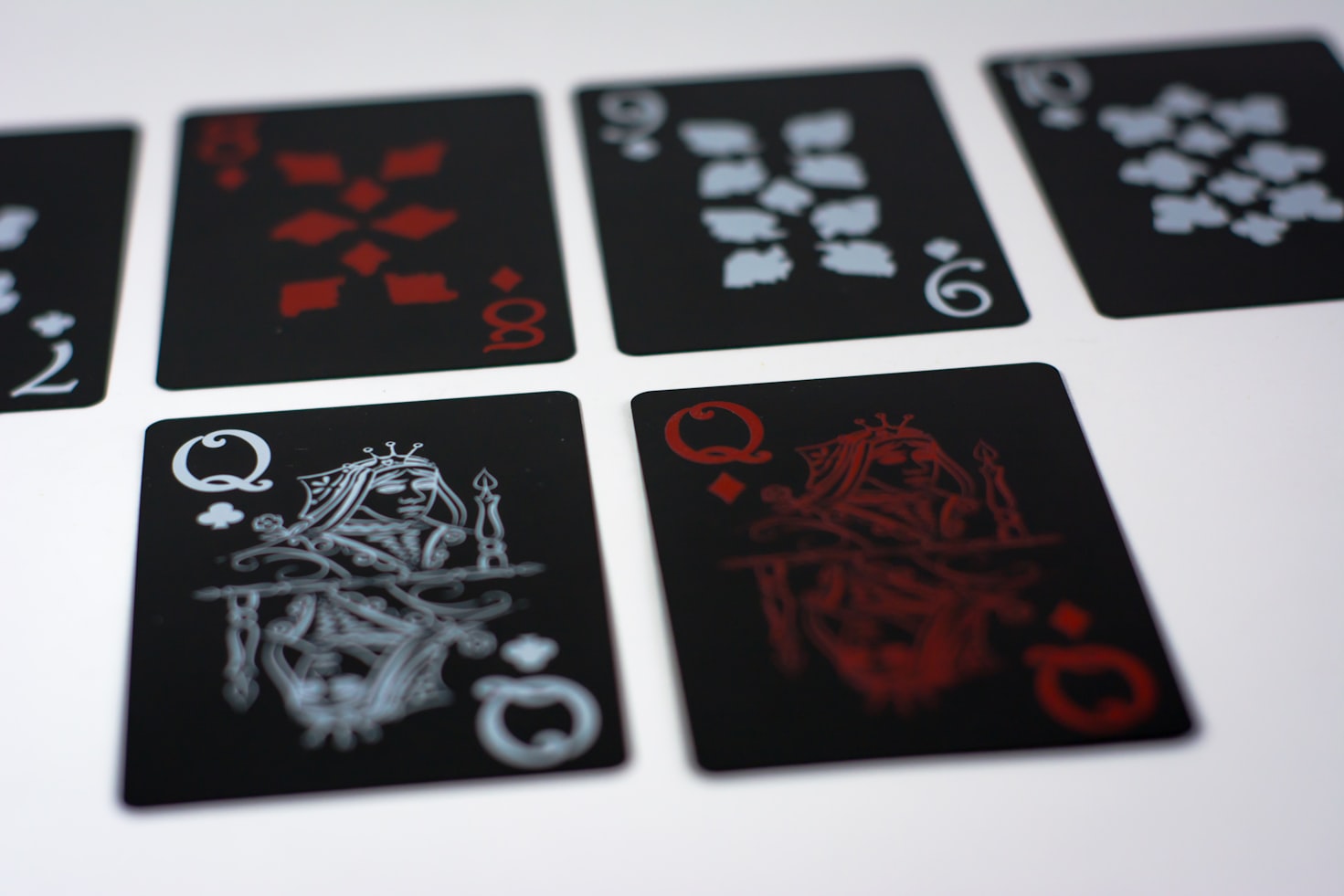
As societies advanced, so did the complexity of gambling. The Middle Ages saw a surge in gambling popularity across Europe. The establishment of casinos, particularly in Italy, marked a significant turning point. The first official casino, the Ridotto, opened in Venice in 1638, offering a controlled environment for gambling enthusiasts. This period also witnessed the birth of various card games, which became staples in gambling culture.
However, the rise of gambling was not without challenges. Many religious and political leaders condemned gambling as immoral, leading to sporadic periods of prohibition. Nevertheless, the allure of potential winnings often overshadowed these moral concerns, leading to a resilient gambling culture that persisted despite opposition.
The Golden Age of Gambling
The 18th and 19th centuries heralded a golden age for gambling, particularly in the United States. The establishment of riverboat casinos and the advent of the lottery created new avenues for gamblers. This era was characterized by the emergence of iconic games such as poker and blackjack, which gained immense popularity and contributed to the growth of gambling in American society.
Furthermore, the introduction of betting on horse racing became a cultural phenomenon. Tracks across the nation attracted large crowds, and betting became a widespread practice among various social classes. The combination of entertainment, social interaction, and the possibility of financial gain made gambling an integral part of American life during this period.
The Decline and Regulation of Gambling
The late 20th century brought significant changes to the gambling landscape. The rise of concerns regarding addiction and financial ruin led to increased scrutiny and regulation. Many jurisdictions imposed stricter laws, and gambling faced mounting opposition from various advocacy groups. This period also saw a rise in illegal gambling operations, which thrived due to the restrictive regulations.
Despite the decline in some regions, the digital age ushered in a new era for gambling. Online casinos and sports betting platforms emerged, revitalizing the industry. While regulations have adapted to include online gambling, the balance between responsible gaming and accessibility remains a pressing concern in today’s society.
The Future of Gambling
As we look towards the future, the evolution of gambling continues to be shaped by technology and cultural shifts. The rise of virtual reality and blockchain technology may redefine the gambling experience, creating immersive environments and secure transactions. Additionally, the increasing acceptance of gambling in mainstream culture suggests a potential for continued growth.
However, it is crucial to address the ethical implications of this expansion. Advocating for responsible gambling practices and prioritizing the well-being of players will be essential in navigating this evolving landscape. The future of gambling may hold great promise, but it must be approached with caution and responsibility.